

Most Peaceful Beaches in Thailand (Not Crowded): 9 Quiet Escapes You’ll Love
Thailand is famous for its white sand, turquoise water, and dramatic limestone cliffs – but it’s also famous for big crowds. If you’ve ever stepped onto Patong or Railay in peak season, you already know that “paradise” can feel a little too busy. The good news? Thailand still has plenty of quiet, uncrowded beaches where you can hear the waves instead of the beach bars.
In this extended guide, we’ll explore some of the most peaceful beaches in Thailand that are not crowded, from car-free islands to hidden stretches of sand on the mainland. You’ll find detailed tips on how to get there, the best time to visit, and what kind of traveler each place suits. All of these spots are generally calmer and less developed than Thailand’s big-name resorts – especially if you time your visit outside major holidays.
Why Thailand Still Has Quiet Beaches
With tourism numbers rising again and even TV shows like The White Lotus drawing more people to famous islands, it’s easy to assume that every Thai beach is now packed. But Thailand is a big country with thousands of kilometers of coastline and hundreds of islands. Many of them remain lightly developed or simply harder to reach, which naturally keeps the crowds away.
Look beyond the party islands
The trick is simple: go beyond the classic names. Phuket, Koh Samui, Koh Phi Phi, and Koh Tao are beautiful, but they’re also main characters in every travel brochure. If you’re chasing peace and quiet, you’ll want smaller islands, low-key fishing towns, and beaches that don’t have a 7-Eleven on every corner.
Travel slightly off-season or off-peak
You don’t need to come in the middle of monsoon to avoid crowds. Traveling just before or after high season – for example, late November or late April – often means lower prices, fewer people, and still-good weather, especially on the Andaman Sea side. On weekends and Thai holidays, even quiet beaches can fill up with local visitors, so if solitude is your priority, plan your beach days for mid-week.
1. Pasai Beach, Koh Yao Noi – Island Life Without the Masses

Koh Yao Noi is one of Thailand’s best “quiet island” success stories. Sitting in the middle of Phang Nga Bay between Phuket and Krabi, it has escaped the heavy development of its famous neighbors and remains relaxed, rural, and surprisingly untouristy. Even its main beach, Pasai Beach on the southeast coast, feels calm compared to almost any main beach in Thailand.
Why Pasai Beach is peaceful
Pasai Beach is long enough that you can always find your own space. The vibe is slow: think hammocks, family-run bungalows, a few chilled beach bars, and locals zipping by on scooters. There are no big resorts dominating the shoreline, no thumping nightclubs, and traffic is minimal.
Because Koh Yao Noi is a little harder to reach than, say, Patong or Ao Nang, it tends to attract travelers who are more interested in quiet sunsets than bar crawls. That naturally keeps the atmosphere gentle and respectful – great for couples, digital nomads, and solo travelers who want a peaceful base with enough facilities to be comfortable.
What to do on Pasai Beach
- Swim at high tide and walk the exposed sand at low tide.
- Kayak along the shoreline and out towards the nearby limestone karsts of Phang Nga Bay.
- Enjoy fresh seafood and Thai curries at simple beachfront restaurants.
- Rent a scooter or bicycle to explore other quiet bays around the island.
How to get to Koh Yao Noi
From Phuket, head to Bang Rong Pier, where long-tail boats and speedboats make frequent crossings to Koh Yao Noi. From Krabi or Ao Nang, boats leave from Tha Lane or Nopparat Thara. The crossing takes around 30–45 minutes, and from Koh Yao Noi’s pier you can grab a taxi truck or scooter to Pasai Beach in about 15 minutes.
Who this beach is best for
- Couples looking for romance without crowds.
- Remote workers who like quiet evenings and sea views.
- Travelers who want a peaceful base with easy day trips to Phang Nga Bay.
2. Laem Had & Son Bay, Koh Yao Yai – Sandbanks and Seclusion
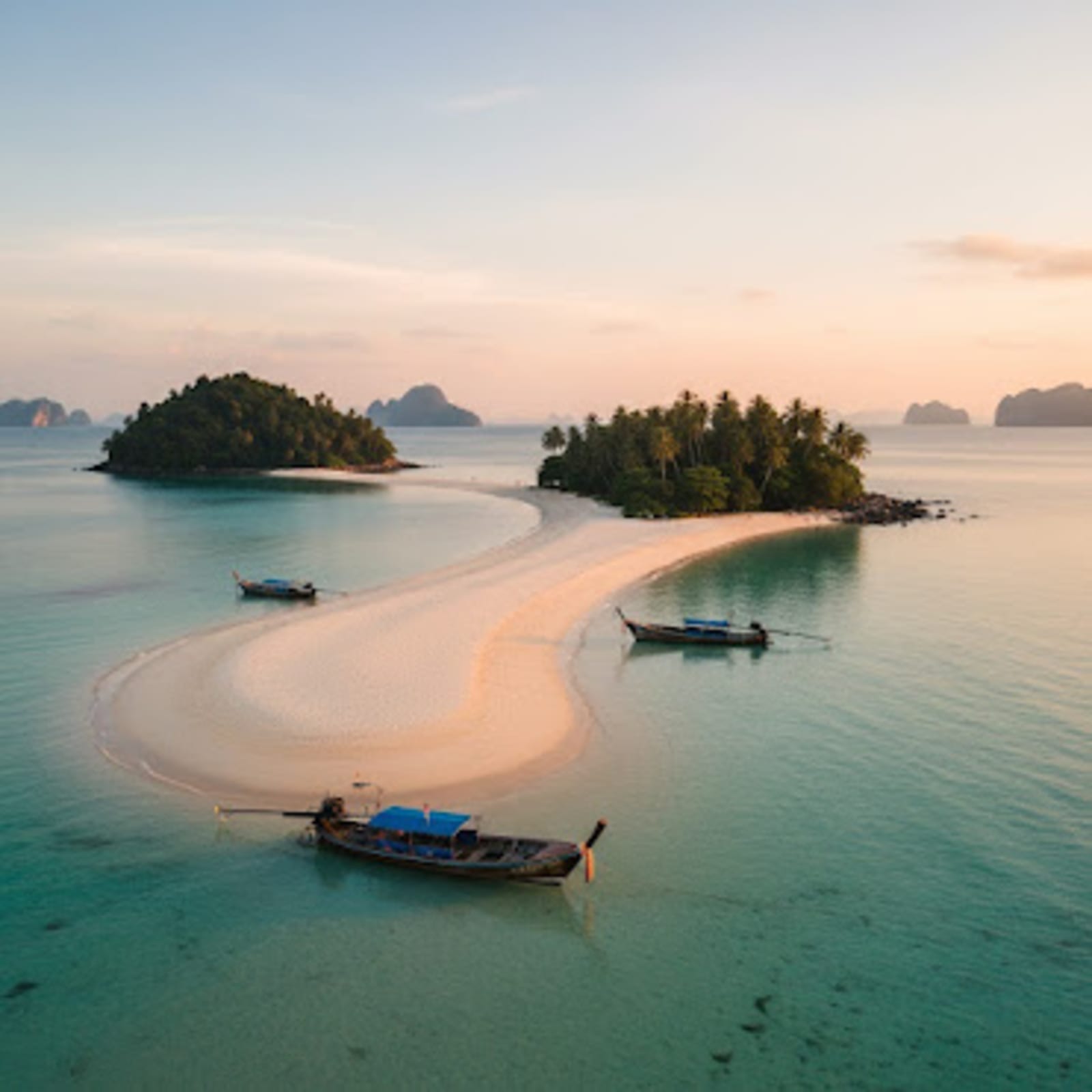
Koh Yao Yai is the larger, sleepier sibling of Koh Yao Noi. It remains mostly rural and under-developed, with a few upscale resorts and plenty of simple local villages. Two of its best peaceful beaches are Laem Had Beach, a sandbank that curls into the sea, and Son Bay (Son Beach), a tiny, quiet bay on the northern part of the island.
Laem Had Beach – the sandbar dream
Laem Had is a powdery sand spit that stretches out into shallow turquoise water. At low tide, it feels like you’re walking on a natural pier into the Andaman Sea; at high tide, the sandbar narrows but remains gorgeous. Because it’s tucked away on a corner of the island and requires a scooter or songthaew, it usually stays calm even in high season.
Son Bay – a quiet cove with local flavor
Son Bay Beach is another little gem, a small cove backed by palm trees and a handful of local restaurants. It’s ideal if you want to combine food and sunbathing without any rush – think plastic chairs in the sand, grilled fish, and gentle waves.
How to get there
From Phuket, speedboats head to Koh Yao Yai from several piers; the journey takes around 30 minutes. Once on the island, you can rent a scooter or arrange a taxi truck. Laem Had sits near the northeast tip of the island; Son Bay is about a 20-minute scooter ride north of some of the main resort areas.
Who this beach is best for
- Photography lovers who want classic sandbank shots.
- Couples and friends looking for a day-trip from Phuket without crowds.
- Travelers who like combining nature with a few creature comforts.
3. Pak Weep & Coconut Beach, Khao Lak – Hidden Strips on the Mainland
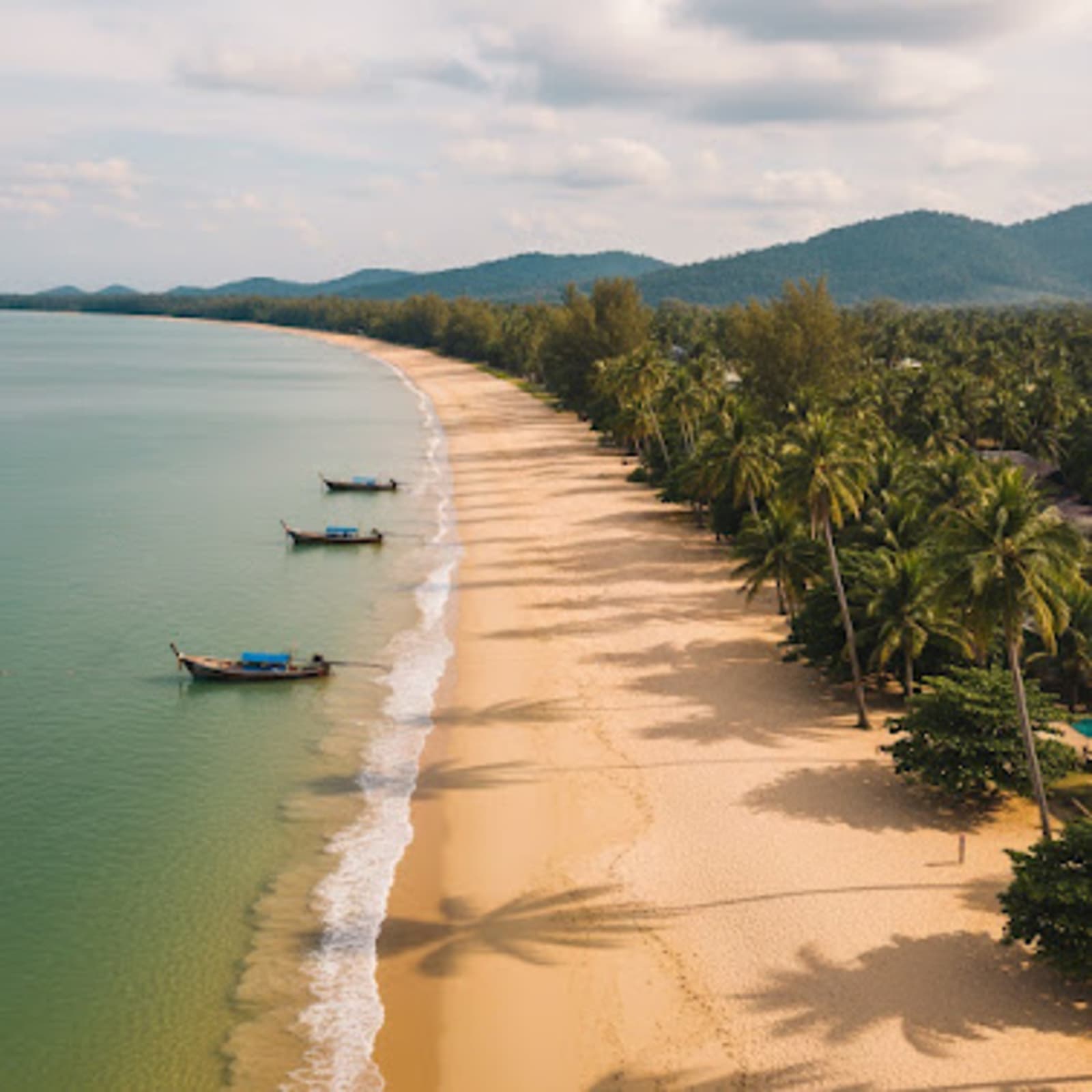
Khao Lak, on the Phang Nga mainland, is already quieter than Phuket, but if you head a little north you’ll find beaches that feel delightfully empty. Two standouts are Pak Weep Beach and the neighboring Coconut Beach, both described by local tourism sources as off-the-map, uncrowded favorites with 2 km of golden sand and only a handful of rustic restaurants.
Why these Khao Lak beaches are peaceful
Unlike busier beaches near the main town, Pak Weep and Coconut Beach sit slightly removed from the central strip. There’s no nightlife to speak of, and accommodation is mostly mid-range resorts and small guesthouses tucked among the casuarina trees. On many days you’ll share the sand with just a few other travelers and local families.
What to do at Pak Weep and Coconut Beach
- Swim in calm, shallow waters – ideal for less confident swimmers.
- Walk the long stretch of sand at sunset; it rarely feels busy.
- Eat fresh seafood at simple beach shacks, often at much lower prices than tourist hotspots.
- Use Khao Lak as a base for day trips to nearby national parks and the Similan Islands.
How to get there
From Phuket International Airport, Khao Lak is roughly a 1.5–2 hour drive north by minivan or taxi. Pak Weep and Coconut Beach are about 15 minutes further north from central Khao Lak by scooter or taxi.
Who these beaches are best for
- Families who want calm water and a peaceful home base.
- Couples who like quiet resorts instead of party towns.
- Nature lovers planning national park hikes and snorkeling day trips.
4. Ao Yai Beach, Koh Phayam – No Cars, No Crowds
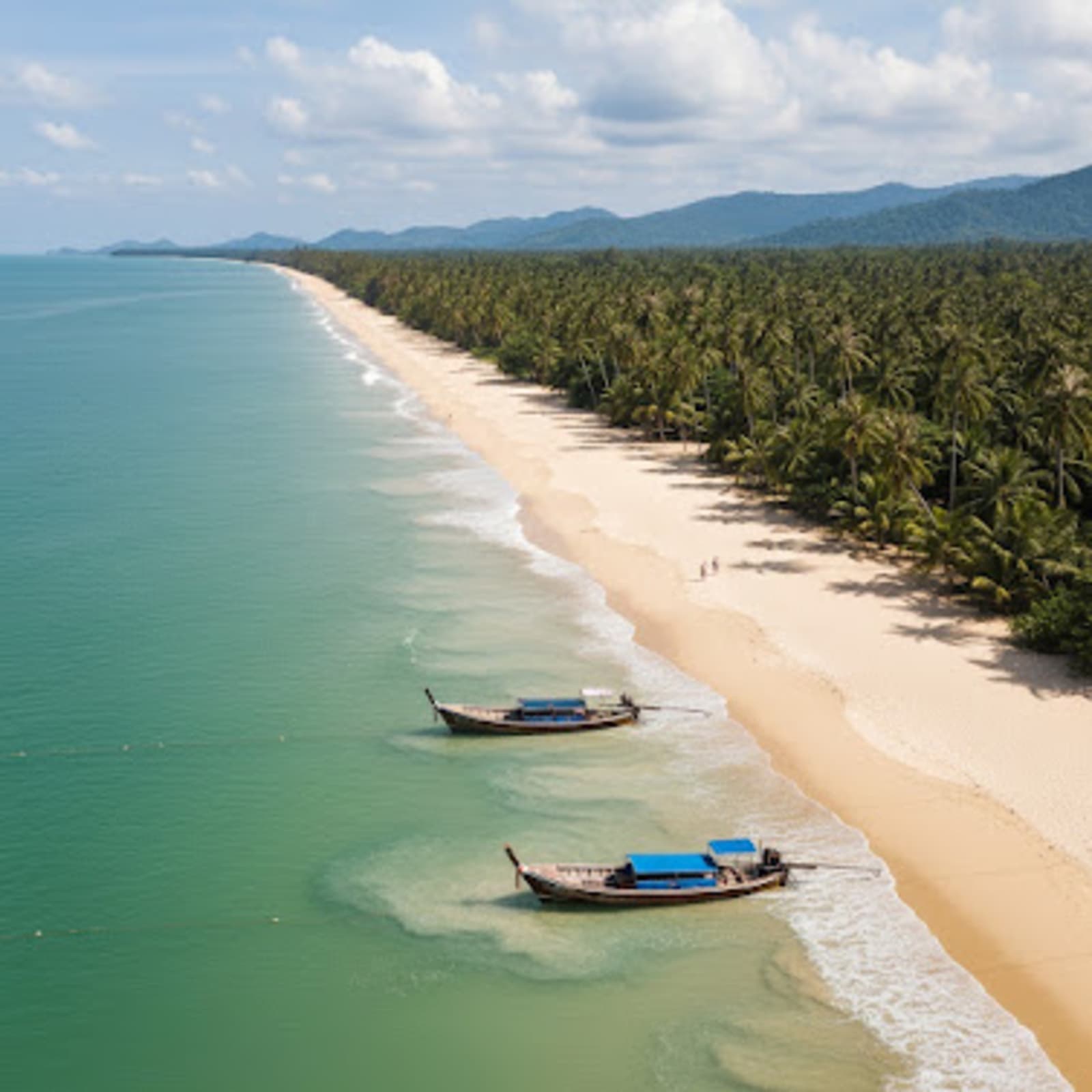
On Thailand’s Andaman coast near the Burmese border, Koh Phayam is frequently described as one of the country’s last laid-back islands. It’s car-free, with only narrow concrete paths and dirt tracks for scooters. Ao Yai, the island’s wide west-coast beach, is a long crescent of sand that feels blissfully remote.
Why Ao Yai is so peaceful
Transport limitations and distance from major airports naturally limit visitor numbers. Most people who make the journey to Koh Phayam are backpackers, nature lovers, and long-stay travelers who respect the calm vibe. On Ao Yai, you’ll find low-rise bungalows, yoga decks, and beach bars serving sunset cocktails without blaring music.
What to do on Ao Yai
- Surf small but fun waves in the right season (usually November–March).
- Walk from one end of the bay to the other at low tide.
- Relax in hammock-heavy cafes and join evening drum circles or acoustic jam sessions.
- Rent a scooter to explore quieter bays on the island’s north coast.
How to get there
Travel to Ranong town first (by bus or domestic flight), then take a songthaew or taxi to the pier. From there, boats go to Koh Phayam, and upon arrival you can hire a scooter taxi or walk to Ao Yai. The journey is longer than to popular Andaman islands, but that’s exactly why Ao Yai stays so uncrowded.
Who this beach is best for
- Backpackers and budget travelers seeking chilled island vibes.
- Yoga and meditation lovers who enjoy rustic bungalows and nature.
- Anyone who equates peace with “no cars, minimal Wi-Fi, maximum stars.”
5. Koh Kradan & Ao Nieng – Turquoise Water Without the Tour Buses

Koh Kradan, in Trang province, is often called one of the most beautiful islands in Thailand, with crystal-clear water and powdery white sand. Because it’s relatively remote and has only a handful of small resorts and restaurants, evenings here are almost silent – just waves and wind in the trees.
Main beach vs. hidden Ao Nieng
The main beach on Koh Kradan is stunning and still fairly calm compared to more famous islands, but if you want even more solitude, head for Ao Nieng Beach on the island’s south coast. Travel guides note that Ao Nieng is quieter and more remote, reachable by walking around from Paradise Beach at low tide or by wading around a rocky outcrop at high tide.
Why Koh Kradan feels peaceful
There are no big villages, no cars, and not much in the way of nightlife. Electricity may be limited in some accommodations, and once the day-tripping speedboats head home in the afternoon, the island returns to a calm, almost castaway feel.
Things to do on Koh Kradan
- Snorkel right from the beach – the coral reef lies close to shore.
- Walk to Ao Pai or Ao Nieng for extra-quiet sands.
- Watch sunrise and sunset over the sea, depending on which side of the island you’re on.
- Enjoy digital detox time – bring a book and disconnect.
How to get there
In high season, boats link Koh Kradan with Koh Lanta, Koh Mook, and the Trang mainland. You’ll usually connect via another island or Trang’s Pak Meng Pier. Because schedules change each season, check locally in Trang or Koh Lanta and book your ticket a day or two in advance.
Who this beach is best for
- Couples looking for a romantic, off-grid escape.
- Snorkelers who want coral and fish right off the sand.
- Travelers who prefer early nights, stargazing, and the sound of waves.
6. Sunrise Beach, Koh Lipe – The Quiet Side of a Busy Island

Koh Lipe has become famous in recent years, especially among backpackers, but it still has one side that feels calmer: Sunrise Beach. While Pattaya Beach, the main arrival point, can get crowded and noisy, Sunrise Beach on the island’s east coast tends to be more relaxed, with fewer boats and more space to spread your towel.
Why Sunrise Beach is relatively peaceful
Sunrise Beach stretches along the entire east coast, so even in high season you can walk for a few minutes and find quieter sections. Travel writers note that it is generally less crowded than Pattaya Beach, especially in the early morning when the sun comes up over the water and a gentle breeze keeps things cool.
What to do on Sunrise Beach
- Wake up early to watch sunrise – it’s literally in the name.
- Snorkel off the beach or hire a long-tail boat to nearby reefs.
- Relax in beach cafes that focus more on smoothies and beanbags than loud music.
- Walk to the quieter northern end of the beach for extra space.
How to get there
High-season speedboats link Koh Lipe with Pak Bara (Satun), Koh Lanta, Koh Lankawi (Malaysia, when routes are operating), and other islands. From the arrival beach, you can walk to Sunrise Beach in 10–15 minutes or take a motorbike taxi with sidecar.
Who this beach is best for
- Travelers who want a balance: quiet days, but plenty of restaurants at night.
- Snorkelers and divers using Koh Lipe as a gateway to Tarutao Marine Park.
- Solo travelers who like meeting people without giving up sleep.
7. Golden Pearl & Sunset Beach, Koh Jum – Old-School Island Charm
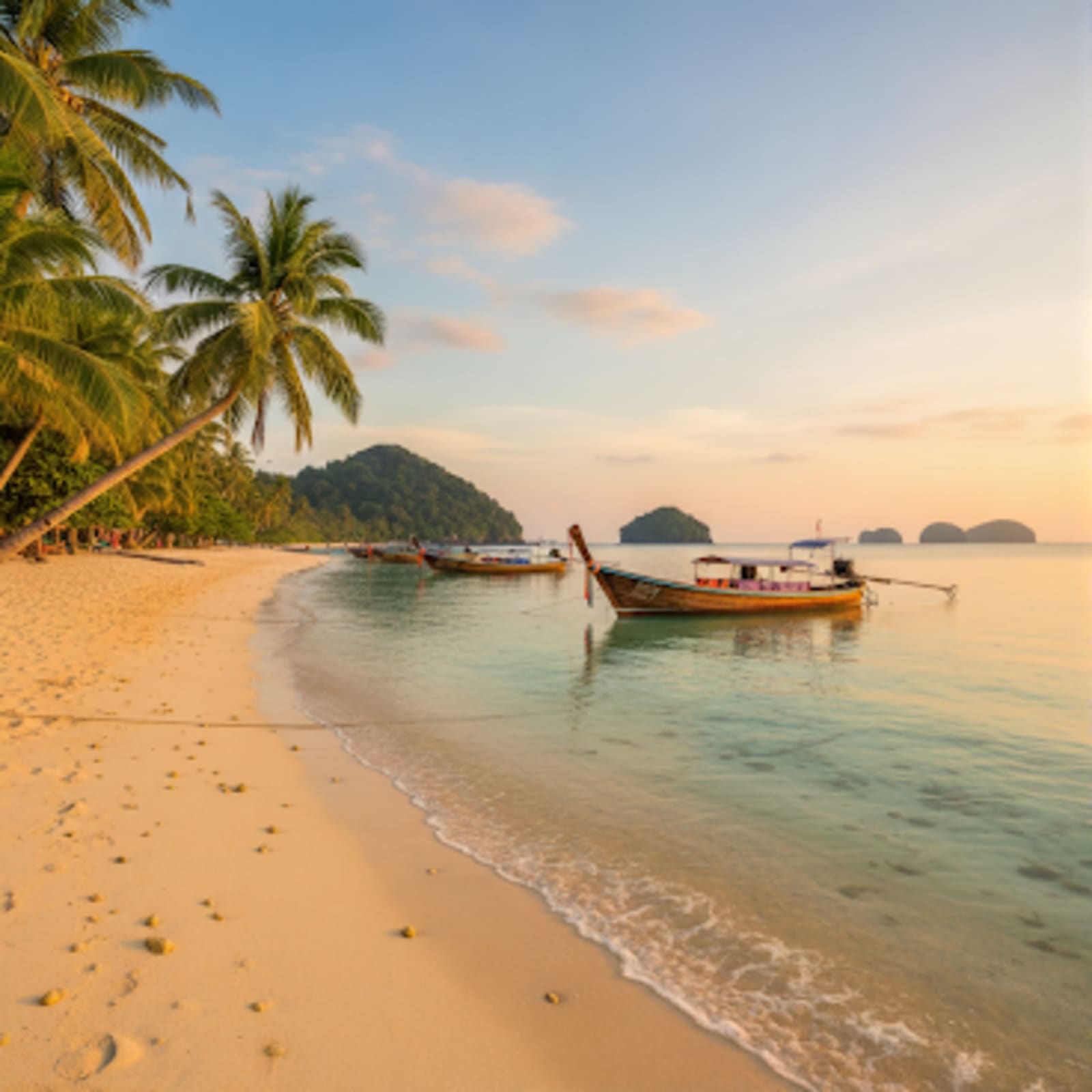
Koh Jum (sometimes called Koh Pu) lies between Krabi and Koh Lanta, but it sees a fraction of their visitors. It’s a low-key island where buffalo graze in coconut groves and electricity in some places is still limited. Among its shores, Golden Pearl Beach and Sunset Beach stand out as long, quiet stretches with classic Andaman views.
Why Koh Jum’s beaches stay uncrowded
There are no high-rise hotels or big chains. Most accommodation is in small bungalow resorts, many of them family-run, and the island’s slightly tricky access means you don’t see many day-trippers. If you’ve ever wished you could visit Thailand “20 years ago,” Koh Jum gets close.
Things to do on Golden Pearl & Sunset Beach
- Swim and sunbathe on uncrowded sand with views towards Koh Phi Phi.
- Walk the beach at sunset – as the name suggests, the colors can be spectacular.
- Rent a kayak and paddle along the coastline.
- Hike inland to get views from Khao Pu, the island’s small mountain.
How to get there
In high season, ferries linking Krabi and Koh Lanta often stop offshore near Koh Jum; long-tail boats then shuttle passengers to the island. Alternatively, from Krabi you can arrange local boats directly. Ask your accommodation for the latest connection details, as routes can change year to year.
Who these beaches are best for
- Travelers who don’t need nightlife or shopping.
- Couples and families who want relaxed bungalows and nature.
- Writers, artists, and long-stay guests seeking inspiration and quiet.
8. Practical Tips for Finding Uncrowded Beaches in Thailand
Even if you end up somewhere more popular, you can still find peaceful corners with a bit of strategy. Here are some practical, easy ways to maximize tranquility on your Thailand beach trip.
1. Travel shoulder season
Peak season (roughly December to February) draws the biggest crowds, especially over Christmas, New Year, and Chinese New Year. If your schedule allows it, aim for late November, early December, or late March to early May on the Andaman side – you’ll often enjoy good weather with fewer people and better accommodation prices.
2. Time your day right
Even busy beaches have quiet windows. Go for dawn swims, late-afternoon walks, and mid-week beach days. Tour groups tend to arrive mid-morning and leave by late afternoon. If you stay overnight on smaller islands like Koh Kradan or Koh Yao Noi, you’ll experience the magical, crowd-free hours when day-trippers are gone.
3. Walk away from the pier
On many islands, the busiest area is where boats arrive. Walk 10–20 minutes along the shore and you’ll often see the crowds thin dramatically. On Koh Lipe, for example, Pattaya Beach near the arrival point is lively, but Sunrise Beach is quieter; on Koh Yao Yai, Laem Had and Son Bay feel far more secluded than the main pier area.
4. Stay on less famous islands
Instead of Samui, try islands like Koh Phayam or Koh Jum. Instead of Phuket, choose Koh Yao Noi or Koh Yao Yai. You’ll trade shopping malls and 24-hour nightlife for quiet beaches, friendly locals, and star-filled skies.
5. Choose small-scale accommodation
Large resorts can make a beach feel busier, even if it’s isolated. If you want peace, look for small bungalow resorts, eco-lodges, or boutique hotels with fewer rooms. These often blend better with the natural environment and attract like-minded guests who value quiet.
6. Respect local communities and nature
Peaceful beaches stay peaceful when visitors tread lightly. Take your rubbish with you, use reef-safe sunscreen, dress modestly when walking through villages, and keep noise levels low at night. Many of these quieter destinations have been protected precisely because communities resisted over-development; being a respectful guest helps keep them special.
FAQ: Peaceful, Not-Crowded Beaches in Thailand
Are there still uncrowded beaches in Thailand?
Yes. Despite rising tourism and more media attention on Thai islands, there are still many beaches that feel quiet and uncrowded, especially on lesser-known islands like Koh Yao Noi, Koh Phayam, Koh Kradan, and Koh Jum, as well as hidden stretches on the mainland near Khao Lak. They may involve slightly more travel logistics, but that’s exactly what keeps them peaceful.
Which side of Thailand is better for quiet beaches – Gulf or Andaman?
Both coasts have peaceful options, but many of the most remote and uncrowded beaches on this list are in the Andaman Sea (west) – places like Khao Lak, Koh Yao, Koh Phayam, Koh Kradan, and Koh Jum. The Gulf of Thailand can also offer quieter spots, but well-known islands like Samui and Phangan tend to be busier overall.
Is it safe to visit less crowded beaches?
Generally, yes – Thailand’s beach destinations are used to tourism and many quiet places have long histories of welcoming visitors. However, standard safety tips apply: don’t swim alone at night, watch currents, secure valuables, and make sure someone knows where you are if you go hiking or exploring remote bays. In ultra-quiet places, medical facilities may be further away, so carry basic supplies and travel insurance.
How many days do I need for a peaceful beach trip?
If you’re combining a peaceful beach with other destinations (Bangkok, Chiang Mai, etc.), aim for at least 4–5 nights on one island. Travel days can be long, especially to remote spots: for example, getting to Koh Phayam or Koh Kradan usually involves multiple legs. If your main goal is rest and recovery, a full week in one place – say, Pasai Beach on Koh Yao Noi or Ao Yai on Koh Phayam – will let you slow down properly.
Can I still find Wi-Fi on these quiet beaches?
Most places on this list offer at least basic Wi-Fi in accommodations and cafes, though speeds can be slower and occasional power cuts are possible, especially on less developed islands. If you need to work online, choose slightly more established quiet destinations like Koh Yao Noi, Khao Lak, or Koh Lipe’s Sunrise Beach, and confirm internet quality with your hotel before booking.
Final Thoughts: Choosing Your Perfect Peaceful Thai Beach
The “most peaceful beaches in Thailand” are not necessarily the most remote or the most famous. They’re usually the places that sit just a little off the main tourist trail: islands that require one extra boat, beaches that don’t have a party reputation, or mainland stretches quietly loved by locals.
If you’re craving a beach that’s not crowded, think about what kind of calm you want:
- Soft island life with plenty of comfort? Try Pasai Beach on Koh Yao Noi or Laem Had on Koh Yao Yai.
- Low-key resorts with access to national parks? Head for Pak Weep or Coconut Beach in Khao Lak.
- Rustic, car-free escape? Make your way to Ao Yai Beach on Koh Phayam.
- Castaway turquoise water? Plan a few nights on Koh Kradan and visit Ao Nieng.
- Balanced vibe with restaurants and marine parks? Stay along Sunrise Beach on Koh Lipe.
- Old-school, slow-paced island life? Choose Golden Pearl or Sunset Beach on Koh Jum.
Whichever you choose, slow your pace, respect local communities, and let the sound of the waves do what big cities can’t: reset your mind. Thailand may be busy, but its peaceful, uncrowded beaches are still very real – you just have to know where to look.


