
How to Avoid Food Poisoning in Thailand and What to Do If You Get It: A Traveler’s Guide
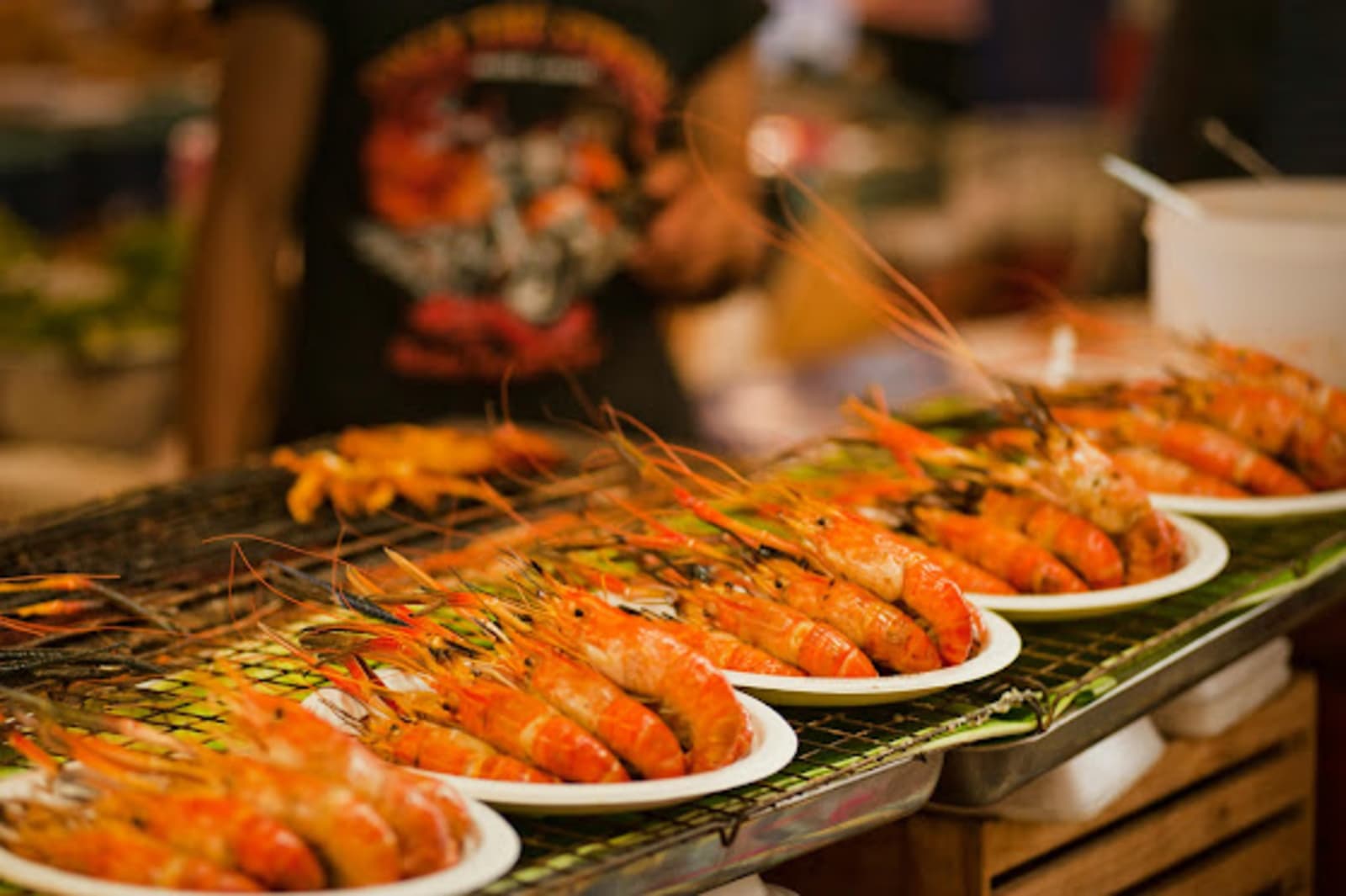
Thailand is world-famous for its bold flavors, aromatic spices, and unforgettable street food culture. From sizzling woks on busy sidewalks to colorful night markets filled with grilled meats, curries, and tropical fruits, eating in Thailand is not just a necessity—it’s a major part of the travel experience. For many travelers, tasting authentic Thai food is a dream come true.
However, with adventure comes uncertainty, and one of the most common concerns for visitors is food poisoning in Thailand. New ingredients, unfamiliar cooking methods, tropical heat, and different hygiene standards can sometimes upset even the strongest stomachs. The good news is that food poisoning is not inevitable, and with the right knowledge and habits, you can dramatically reduce your risk.
This extended traveler’s guide will walk you through exactly how to avoid food poisoning in Thailand and what to do if you get it. Based on firsthand travel experience, local insights, and practical research, this article is designed to help you enjoy Thailand’s legendary cuisine safely and confidently.
Understanding Food Poisoning While Traveling in Thailand
Food poisoning occurs when you consume food or drinks contaminated with bacteria, viruses, parasites, or toxins. In Thailand, the most common causes are bacteria such as Salmonella, E. coli, and Campylobacter, often linked to improperly handled food, unclean water, or poor hygiene practices.
It’s important to understand that food poisoning in Thailand doesn’t mean the food is “bad” or unsafe by default. Locals eat street food daily without issues because their bodies are accustomed to local bacteria. Travelers, on the other hand, often have more sensitive digestive systems when exposed to new environments.
Knowing the risks allows you to make smarter choices without missing out on the authentic food experiences that make Thailand so special.
How to Avoid Food Poisoning in Thailand
Choose Freshly Cooked Food
Freshly cooked food is one of your strongest defenses against food poisoning. High heat kills most harmful bacteria, making hot meals significantly safer than food that has been sitting out.
Thailand’s street food culture actually works in your favor here. Many dishes are cooked to order right in front of you, allowing you to see the ingredients, preparation, and cleanliness of the cooking area.
Stir-fries, grilled meats, soups, and noodle dishes that are steaming hot are generally safe choices. Avoid foods that look lukewarm, pre-cooked, or exposed to flies for extended periods.
Practical tip: If the food arrives hot enough that you need to wait a moment before eating, that’s usually a very good sign.
Eat Where the Locals Eat
One of the golden rules of eating safely in Thailand is to follow the locals. Thai people take food seriously, and they are unlikely to eat at places with poor hygiene or bad reputations.
Busy street stalls and crowded local restaurants often indicate high food turnover, meaning ingredients are used quickly and meals are freshly prepared. These places are also under constant pressure to maintain quality because regular customers will not tolerate bad food.
On the other hand, empty restaurants in busy tourist areas can be a red flag. Low customer volume may mean food sits longer, increasing the risk of contamination.
Practical tip: A long line of locals is often safer than a fancy-looking restaurant with no customers.
Be Careful with Drinking Water
Tap water in Thailand is not considered safe for drinking. While it may be treated, it can still contain bacteria that your body is not used to. Always drink bottled water, which is cheap, widely available, and reliable.
This includes brushing your teeth if you have a sensitive stomach. Many travelers brush with bottled water during their stay to minimize risk.
Restaurants and hotels usually provide bottled water, but always double-check if water served at the table is filtered or bottled.
Practical tip: Keep a bottle of water with you at all times, especially when exploring markets or traveling between destinations.
Watch Out for Ice in Drinks
Ice is one of the most overlooked causes of food poisoning in Thailand. While many restaurants and bars use commercially produced ice made from purified water, smaller or more remote establishments may not.
Commercial ice in Thailand is usually tube-shaped with a hole in the center and is generally safe. However, crushed ice or irregular blocks may come from untreated water.
If you are unsure about the source of ice, it’s safer to skip it altogether.
Practical tip: You can ask for drinks without ice by saying “mai sai nam khang.”
Avoid Raw or Undercooked Foods
Raw or undercooked foods pose a higher risk, especially for travelers. While dishes like raw seafood, rare meats, or lightly cooked eggs may be tempting, they increase the chance of bacterial or parasitic infection.
Street vendors are best enjoyed for cooked dishes rather than raw options. Even in restaurants, it’s safer to request fully cooked meals.
Seafood in Thailand is excellent, but always choose grilled, fried, or steamed options rather than raw preparations.
Practical tip: If you’re unsure how something is prepared, ask or choose a safer alternative.
Be Cautious with Street Food Salads and Sauces
Fresh herbs, salads, and sauces are an important part of Thai cuisine, but they can sometimes be washed in untreated water. While locals eat them without issue, travelers may want to be more selective.
This doesn’t mean avoiding all fresh vegetables, but rather being mindful of where you eat them. Restaurants with good hygiene standards are safer than roadside stalls for raw garnishes.
Practical tip: If your stomach feels sensitive, stick to cooked vegetables and herbs.
Peel Fruits and Vegetables Yourself
Thailand’s fruit selection is one of its greatest joys. Mangoes, bananas, papayas, pineapples, and dragon fruit are widely available and delicious.
Pre-cut fruit sold on the street may be exposed to bacteria through knives, cutting boards, or water used for washing. A safer option is to buy whole fruits and peel them yourself.
This simple habit greatly reduces the risk of contamination.
Practical tip: Bananas and oranges are among the safest travel fruits because they require no washing.
Use Hand Sanitizer Regularly
Hand hygiene plays a huge role in preventing food poisoning. While street food is convenient, sinks and soap are not always available.
Carrying hand sanitizer or antibacterial wipes allows you to clean your hands before eating, especially after handling money, using public transport, or touching shared surfaces.
This small habit can make a big difference.
Practical tip: Use sanitizer before every meal, even if your hands don’t look dirty.
What to Do If You Get Food Poisoning in Thailand ?
Even with the best precautions, food poisoning can still happen. If it does, staying calm and acting quickly will help you recover faster and avoid complications.
Recognize the Symptoms Early
Symptoms of food poisoning can appear within hours or up to several days after eating contaminated food. Common symptoms include nausea, vomiting, diarrhea, stomach cramps, bloating, fever, and fatigue.
Mild cases may only involve discomfort, while more severe cases can cause dehydration and weakness.
Practical tip: If symptoms begin within 6 to 24 hours of a meal, food poisoning is a likely cause.
Stay Hydrated at All Costs
Dehydration is the most serious risk associated with food poisoning, especially in Thailand’s hot and humid climate. Vomiting and diarrhea cause rapid fluid loss that must be replaced.
Drink plenty of bottled water and consider oral rehydration salts (ORS), which are widely available at pharmacies and convenience stores.
If you are struggling to keep fluids down, take small sips every few minutes instead of drinking large amounts at once.
Practical tip: Clear urine is a good sign that you are staying hydrated.
Rest and Let Your Body Recover
Food poisoning takes a toll on your energy levels. Resting is essential for recovery, even if it means adjusting your travel plans.
When you are ready to eat again, start with bland, easily digestible foods such as plain rice, bananas, toast, or crackers.
Avoid spicy, oily, or heavy foods until your stomach feels normal again.
Practical tip: Listening to your body is more important than sticking to a schedule.
Visit a Pharmacy for Mild Cases
Thai pharmacies are well-stocked and pharmacists are often very knowledgeable. For mild food poisoning, they can recommend anti-diarrheal medication, probiotics, or stomach-soothing remedies.
Many pharmacists speak basic English and are familiar with treating travelers.
Practical tip: Describe your symptoms clearly and mention how long they have lasted.
Seek Medical Help for Severe Symptoms
If your symptoms are severe or last more than 48 hours, it’s important to seek medical attention. Warning signs include high fever, bloody diarrhea, persistent vomiting, dizziness, or signs of severe dehydration.
Thailand has excellent private hospitals and clinics, especially in major cities and tourist areas. Many doctors speak fluent English and are experienced in treating travelers.
Practical tip: Do not delay medical care if you feel your condition is worsening.
Use Travel Insurance
Travel insurance is essential for any trip to Thailand. Medical care is generally affordable, but hospital visits and treatments can still add up.
Having insurance ensures peace of mind and access to quality care if you need it.
Practical tip: Keep a digital copy of your insurance details on your phone.
Final Thoughts: Enjoy Thai Food with Confidence
Thailand’s food culture is one of the most rewarding parts of traveling in the country. From humble street stalls to family-run restaurants, every meal tells a story of tradition, flavor, and community.
Food poisoning is a possibility, but it should not be a reason to avoid Thai cuisine. By choosing freshly cooked food, eating where locals eat, being cautious with water and ice, and practicing good hygiene, you can greatly reduce your risk.
And if you do get sick, knowing how to respond—staying hydrated, resting, using pharmacies, and seeking medical care when needed—will help you recover quickly.
With the right precautions and mindset, you can fully embrace Thailand’s incredible food scene and create unforgettable culinary memories without fear. Eat smart, stay aware, and enjoy every bite of your Thai adventure.
My Personal Experience: A Friend’s Food Poisoning Incident in Thailand
Thailand is one of my favorite destinations—its rich culture, vibrant street life, and mouthwatering food always leave me in awe. However, one thing you can’t ignore when traveling in Thailand, or anywhere with new and exotic foods, is the possibility of food poisoning. While I’ve been lucky enough to avoid it myself, one of my closest friends wasn’t as fortunate during one of our trips.
The Day It Happened
We were exploring the bustling streets of Chiang Mai, making our way through its famous night market. The smells of grilled meats, sizzling noodles, and fresh fruits were intoxicating, and we couldn’t resist trying as much as we could. My friend, always adventurous with food, was sampling dishes left and right. From spicy Som Tum (papaya salad) to delicious seafood skewers, he seemed to be having the time of his life.
The night was fantastic—until the next morning.
He woke up feeling nauseous, complaining of stomach cramps, and soon after, the symptoms of food poisoning set in. Vomiting and diarrhea quickly followed, and it was clear that something he had eaten didn’t agree with him.
What Went Wrong?
Looking back, we tried to figure out what had gone wrong. The night before, we were cautious, choosing popular food stalls with lots of locals. However, there was one dish—a raw seafood salad—that he insisted on trying, despite my reservations. It was likely that this was the culprit. Thailand’s warm climate makes raw or undercooked seafood a risky choice, especially from street vendors. Unfortunately, it was a lesson learned the hard way.
What We Did Next
As the day went on, my friend’s symptoms worsened, and we knew hydration was going to be key. The biggest risk with food poisoning in Thailand’s heat is dehydration, especially when vomiting and diarrhea are involved. We made sure to get him oral rehydration salts from a nearby pharmacy, which are a lifesaver in such situations. These are easily available across Thailand and help replenish lost fluids and electrolytes quickly.
We decided to skip our plans for the day, and he spent most of it resting in our hotel room. We kept his diet bland—mainly plain rice and bananas, which helped settle his stomach as he slowly recovered.
Seeking Medical Help
Luckily, after 24 hours, his symptoms started to improve, but we were prepared to seek medical attention if things didn’t get better. Thailand has good hospitals and clinics, especially in tourist-heavy cities like Chiang Mai, and I had peace of mind knowing that we had travel insurance. I can’t stress enough how important it is to have travel insurance, especially when it comes to unexpected health issues like this.
Lessons Learned
From this experience, we both learned some important lessons about eating in Thailand, especially when it comes to street food. While the food scene is one of the highlights of traveling here, it’s essential to be cautious with what you eat, particularly when it comes to raw or undercooked dishes.
If I had to give advice based on this personal experience, I’d say:
- Stick to freshly cooked food that you can see being made in front of you. Thailand’s street food is delicious and generally safe if it’s hot and cooked thoroughly.
- Be mindful of seafood. While Thailand has amazing seafood, try to avoid raw or undercooked varieties, especially from street vendors.
- Stay hydrated if you do get sick. Dehydration can sneak up on you fast, especially in the Thai heat, so make sure to have oral rehydration salts handy.
Conclusion
Food poisoning is a risk anywhere, but it doesn’t have to ruin your trip. With the right precautions, you can enjoy Thailand’s incredible food scene without fear. And if something does go wrong, knowing how to handle it, staying hydrated, and resting will get you back on your feet quickly.
This experience didn’t stop us from continuing to explore Thailand’s culinary delights—if anything, it just made us more aware of what to watch out for. Thailand’s food is absolutely worth the adventure, but it’s always better to be prepared.


